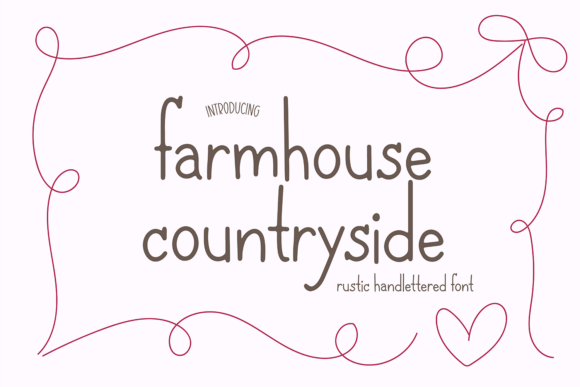
Farmhouse Countryside: Rustic Typography for Modern Design
There's an undeniable warmth that radiates from the right typeface, instantly setting a mood and telling a story before a single word is fully read. For designers and creators seeking to evoke authenticity, simplicity, and a touch of nostalgic charm, the Farmhouse Countryside handwriting font emerges as a compelling creative asset. This font isn't merely a set of letters; it's a design tool crafted to articulate a specific brand identity—one rooted in comfort, sincerity, and the timeless appeal of rural aesthetics. Its value lies in its ability to transform standard communication into a personal, tactile experience.
The Role of Authentic Typography in Visual Communication
In a digital landscape saturated with sleek, minimalist sans-serifs, a font like Farmhouse Countryside offers a strategic counterpoint. Typography is a cornerstone of visual hierarchy and brand personality. A handwritten style injects humanity and approachability into a design, making messages feel more personal and less corporate. This can significantly improve user engagement, particularly in sectors like artisan goods, boutique hospitality, lifestyle blogging, and eco-friendly products, where conveying genuineness is paramount. The font's charming simplicity ensures it enhances rather than overwhelms, supporting clear communication while establishing a distinct visual tone.
Practical Applications for Creative Projects
The utility of a well-designed typeface extends across a multitude of creative projects. Farmhouse Countryside's character set, featuring uppercase glyphs, numbers, and essential punctuation, makes it versatile for numerous applications where a rustic, handcrafted feel is desired.
- Branding and Logo Design: Ideal for creating logotypes for farms, bakeries, cafes, or craft brands. It helps build a visual identity that feels local, trustworthy, and connected to nature.
- Marketing and Social Media Graphics: Perfect for quotes, announcements, and promotional posts on platforms like Instagram or Pinterest. It adds personality to social media content, helping posts stand out in a feed and align with a curated aesthetic.
- Packaging and Print Design: Use it on labels, tags, and packaging to reinforce product stories. It works beautifully for artisan food products, candles, or skincare lines, enhancing the perceived value through thoughtful design.
- Editorial and Web Design: Excellent for pull quotes, article headers, or subheadings in editorial layouts and blog designs. In UI design, it can be used sparingly for accent text to create a welcoming user experience (UX).
- Digital Products and Merchandise: Bring warmth to e-book covers, printable wall art, or merchandise like tote bags and mugs. Its scalability ensures it looks crisp both on screen and in print.
Integrating Rustic Elements into a Modern Design Workflow
Successfully incorporating a theme-specific font like this requires thoughtful design strategy. The goal is to achieve a polished, professional result that feels intentional, not cluttered. Here are key considerations:
- Establish Visual Hierarchy: Pair Farmhouse Countryside with a clean, neutral font for body text. This contrast ensures readability while allowing the handwritten font to command attention for headlines and key phrases.
- Harmonize with Color and Imagery: Complement its warmth with a natural color palette—think earth tones, muted pastels, or classic cream and black. Imagery should support the rustic theme: textured backgrounds, natural materials, or soft, ambient lighting.
- Respect Audience and Context: Evaluate if the farmhouse aesthetic aligns with your audience's expectations and your brand's core message. It's a powerful tool for specific goals but may not suit every industry or target demographic.
- Maintain Consistency: Use the font consistently across all brand touchpoints to build recognition. This consistency strengthens brand identity and contributes to a cohesive user experience.
Choosing the right creative assets is a deliberate process that directly influences design quality and communication effectiveness. A resource like Farmhouse Countryside provides more than just a stylistic choice; it offers a way to embed emotion and narrative into your visual language. By thoughtfully integrating such typography, designers and creators can craft experiences that resonate deeply, turning ordinary projects into memorable connections that feel both personal and professionally polished.